



History
Intent
At Old Hill Primary School, our history curriculum develops pupils’ understanding of the past and how it has shaped the world we live in today.
The curriculum is designed to build secure knowledge of key historical periods, alongside the development of disciplinary thinking. Pupils develop a clear sense of chronology and explore key concepts including change and continuity, cause and consequence, similarity and difference, and historical significance.
Pupils are taught to think as historians by:Asking questions about the past
- Interpreting a range of historical sources
- Developing and justifying their own interpretations
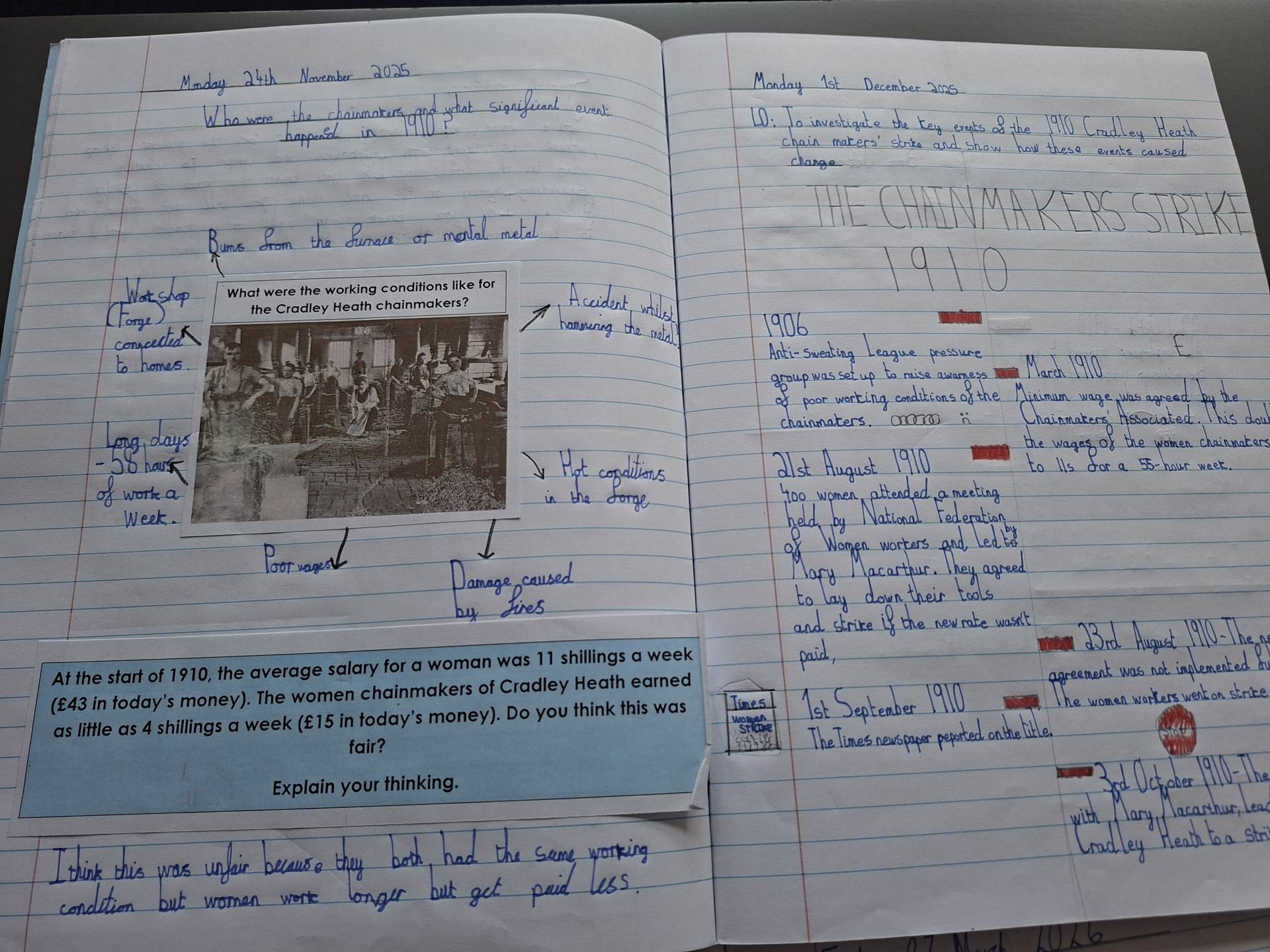
Our curriculum reflects our local context. Pupils study the history of Old Hill and the surrounding area, including the impact of the Industrial Revolution and mining, enabling them to understand the heritage of their community.
Implementation
History is taught through carefully sequenced enquiry questions that enable pupils to build knowledge and understanding over time.
Lessons focus on developing key disciplinary knowledge and skills, including:
- Interpreting primary and secondary sources
- Developing chronological understanding
- Analysing cause and consequence
- Identifying similarities and differences
- Evaluating historical interpretations
Teachers ensure that knowledge is explicitly taught and builds on prior learning. Historical vocabulary is clearly introduced and revisited to support pupils in explaining their thinking with precision.
The curriculum is structured progressively. Pupils begin by exploring changes within living memory before studying more complex historical periods, including ancient civilisations and significant events in British and world history.
Assessment is ongoing within lessons and through end-of-unit checks to identify gaps and inform future teaching.
Impact
-
Pupils at Old Hill Primary School:
- Demonstrate secure knowledge of key historical periods and events
- Understand chronology and make links across time periods
- Use historical vocabulary accurately
- Interpret and evaluate sources with increasing confidence
- Explain cause, consequence and change over time
- Develop and justify their own historical interpretations
Pupils retain knowledge over time and apply it when studying new areas of history. They make connections between different periods and understand how the past has shaped the present.
Assessment is used to support teaching and is based on four key areas:
- Knowledge
- Skills
- Vocabulary
- Understanding
Teachers use ongoing formative assessment, retrieval of prior learning and end-of-unit checks to identify gaps and ensure pupils build secure knowledge over time.
By the end of Year 6, pupils leave Old Hill Primary School as confident historians who can recall, explain, analyse and make connections across the curriculum.
History Curriculum Overview
Our history curriculum is structured so that pupils build their understanding of the past progressively.
Key Stage 1: Pupils develop an understanding of chronology and explore significant people, events and changes within living memory and beyond living memory.
Lower Key Stage 2: Pupils study ancient civilisations and the impact of the Romans on Britain, developing their understanding of cause and consequence, change and continuity.
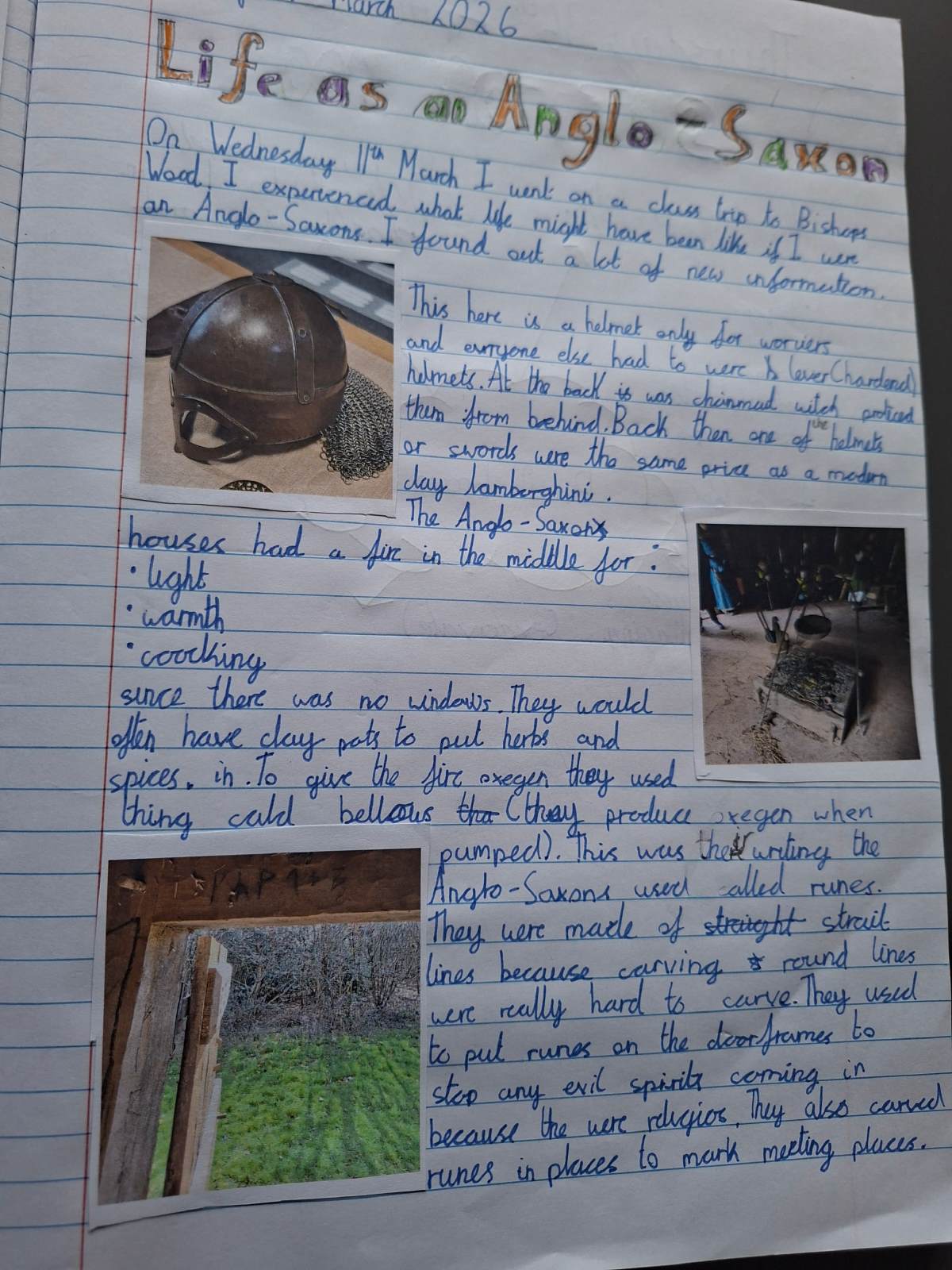
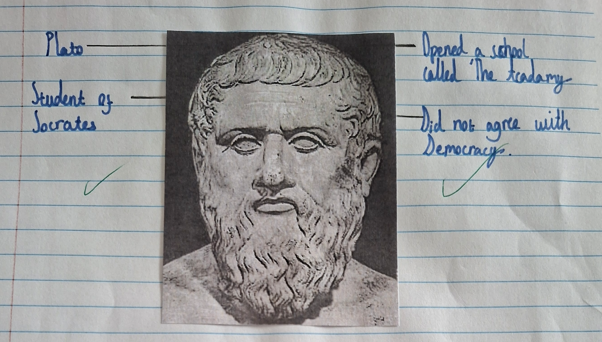
Upper Key Stage 2: Pupils study Britain's development through the Anglo-Saxons and Vikings, alongside significant periods and civilisations from around the world, making comparisons across different eras and societies.
A full overview of the history curriculum for each year group can be found below.
Enrichment Opportunities
History is brought to life through a range of visits, workshops and local learning experiences which help pupils develop a deeper understanding of the past.
Our pupils benefit from experiences including:
- Local history walks and visits within Old Hill and Cradley Heath.
-
Learning about the impact of mining and the Industrial Revolution on our local area.
-
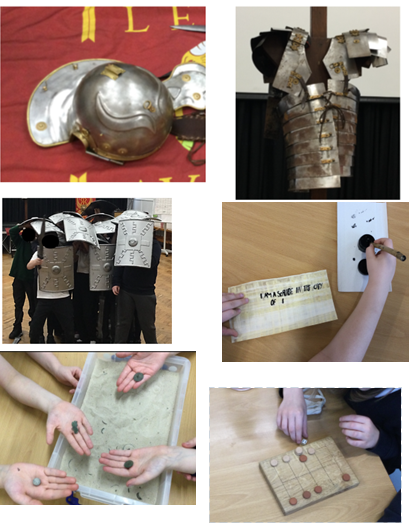
Roman Day workshops, allowing pupils to explore life in Roman Britain through artefacts, role play and hands-on activities.
-
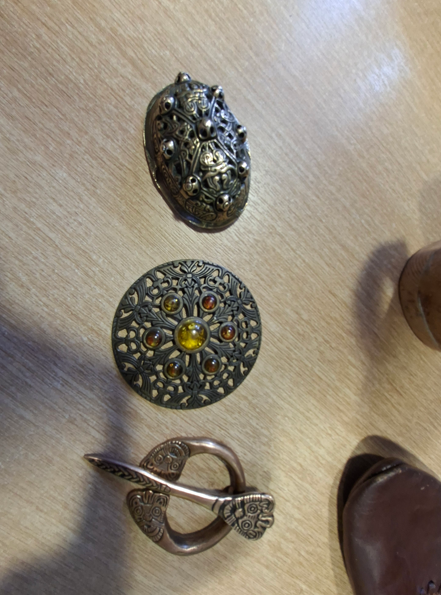
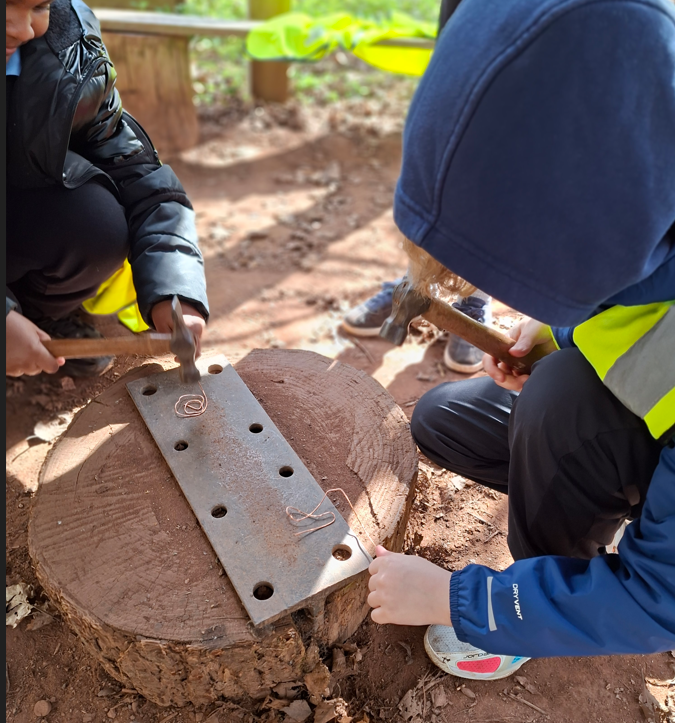
Visits to Bishops Wood, supporting pupils' understanding of Anglo-Saxon Britain and how people lived in the past.
-
The use of artefacts, photographs, maps and historical sources to develop enquiry skills.
-
Opportunities to compare life in different periods of history and understand how our local area has changed over time.
These experiences help pupils develop a sense of chronology, deepen their historical understanding and foster curiosity about the people and events that have shaped our world.

