


Science
Intent
At Old Hill Primary School, our science curriculum develops pupils’ curiosity about the natural world and fosters a lifelong interest in science.
The curriculum is designed to ensure pupils build secure knowledge across biology, chemistry and physics, alongside developing the skills to work scientifically. Pupils learn how scientists ask questions, investigate ideas, gather evidence and draw conclusions.
We ensure that pupils:
- Develop secure scientific knowledge across key disciplines
- Build understanding of how science explains the world around them
- Use scientific vocabulary accurately
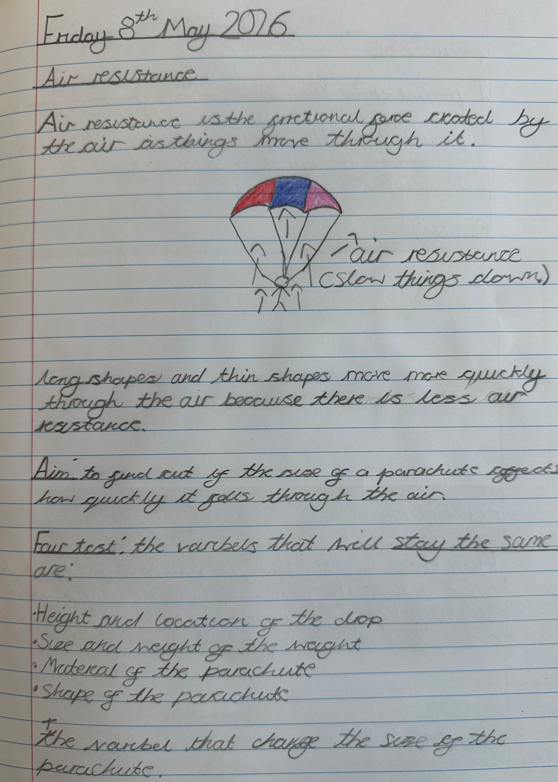
- Apply their knowledge through enquiry and investigation
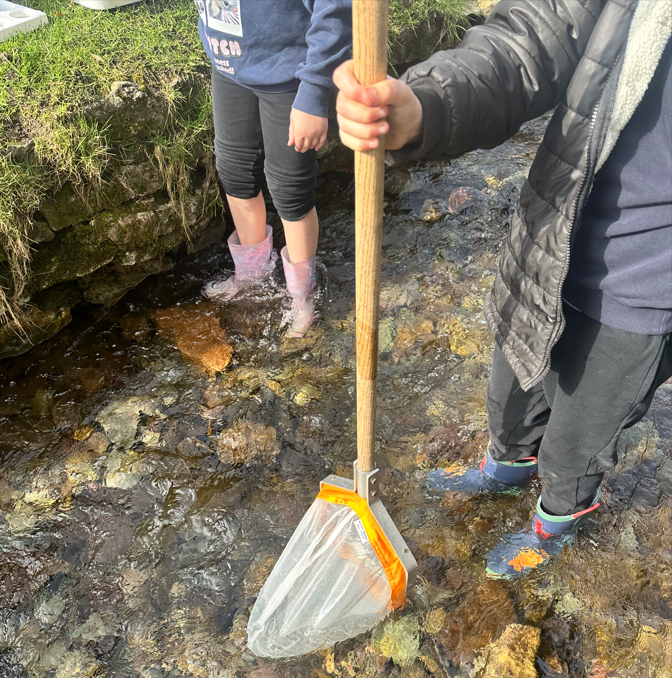 Children learn to observe, question, test and evaluate through hands-on experiences.
Implementation
Science is taught through a carefully sequenced curriculum supported by the The Education People Primary Science Scheme of Work. This provides clear progression in both substantive knowledge and disciplinary skills across biology, chemistry and physics.
Lessons are designed to combine the teaching of key scientific knowledge with purposeful practical enquiry. The scheme ensures regular opportunities for pupils to investigate, test ideas and collect evidence, supporting them to develop a secure understanding of scientific concepts.
Teachers support pupils in developing the skills of working scientifically, including:
- Asking questions and making predictions
- Planning and carrying out investigations
- Observing, measuring and recording results
- Analysing findings and drawing conclusions
Scientific vocabulary is explicitly taught and revisited to support pupils in explaining their ideas clearly and accurately.
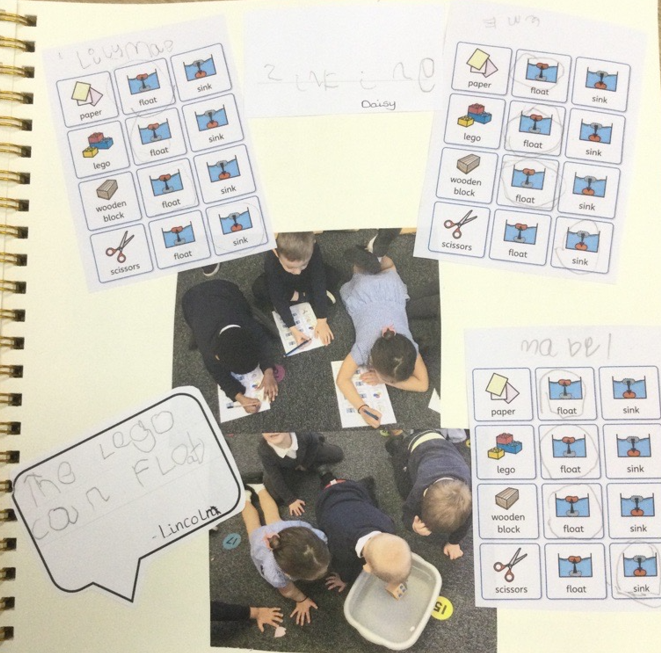
Assessment is embedded within lessons through the scheme’s structured approach, enabling teachers to identify gaps and respond to pupils’ needs. The curriculum provides regular opportunities for pupils to apply their knowledge through enquiry, ensuring understanding is secure over time.
Impact
Pupils at Old Hill Primary School:
- Demonstrate secure knowledge across biology, chemistry and physics
- Use scientific vocabulary accurately
- Ask questions and carry out investigations with increasing independence
- Observe, record and analyse results with accuracy
- Draw conclusions and explain their thinking using evidence
Pupils retain knowledge over time and apply it when learning new concepts. They make connections across different areas of science and understand the relevance of science in everyday life.
Assessment is used to support teaching and is based on four key areas:
- Knowledge
- Skills
- Vocabulary
- Understanding
Teachers use ongoing formative assessment within lessons, including questioning, observation and retrieval of prior learning, to identify gaps and adapt teaching. Pupils demonstrate their understanding through practical enquiry, discussion and recorded work, allowing teachers to assess how effectively knowledge is applied.
By the end of Year 6, pupils leave Old Hill Primary School with a strong foundation in scientific knowledge and the ability to work scientifically.
Enrichment Opportunities
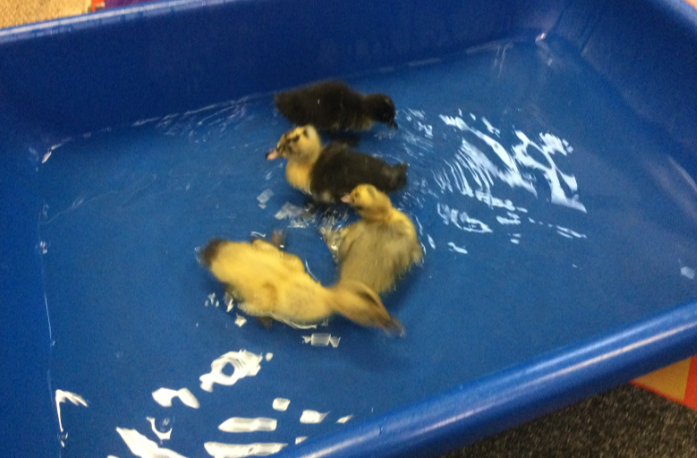
Science learning at Old Hill Primary School is enhanced through a range of practical experiences, outdoor learning and educational visits. These opportunities allow pupils to observe living things in their natural environments and apply their scientific knowledge through real-life investigations.
For example, pupils in Key Stage 1 visit the Shropshire Hills Discovery Centre where they explore meadow habitats and investigate trees and flowering plants through games and observational activities. Pupils also visit Bodenham Arboretum, where they explore woodland habitats, identify a range of trees and observe plants growing in their natural environment.
In Key Stage 2, pupils further develop their scientific enquiry skills through activities such as identifying and classifying invertebrates using identification keys and flow charts. Pupils also regularly carry out investigations within the school grounds and local area, observing habitats, seasonal changes and living things in their environment.
These experiences help pupils develop curiosity about the natural world and build the observation, classification and enquiry skills needed to think like young scientists.
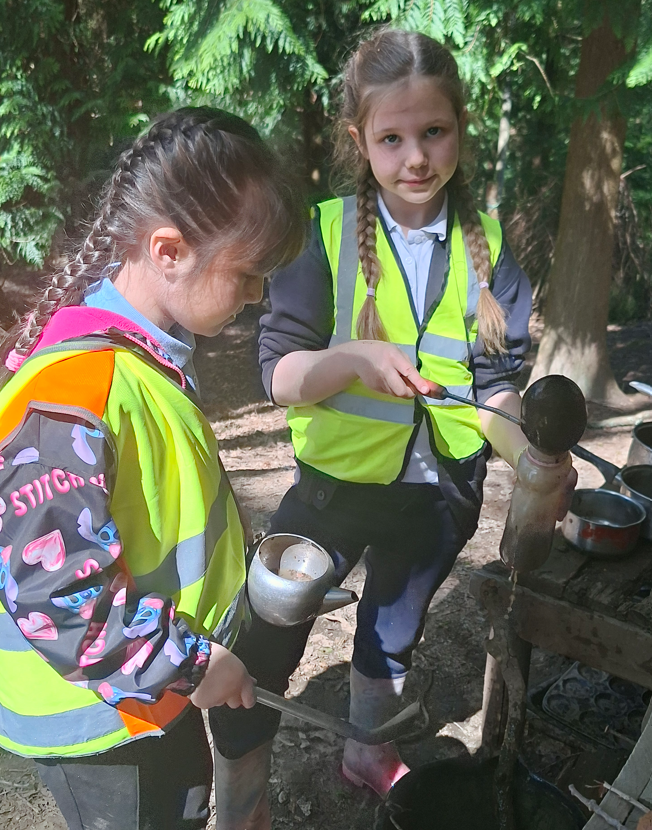
Year 2 visited Bodenham Arboretum as part of their science topics: living things, habitats, and plants. The purpose of the trip was to enhance the children’s understanding through real-life exploration of a woodland environment. The children thrived in nature, eagerly exploring the different habitats and observing a variety of plants and living things. They were able to apply their classroom learning in a meaningful context, developing their observation skills, curiosity, and understanding of how living things are suited to their environments.
Overviews

